
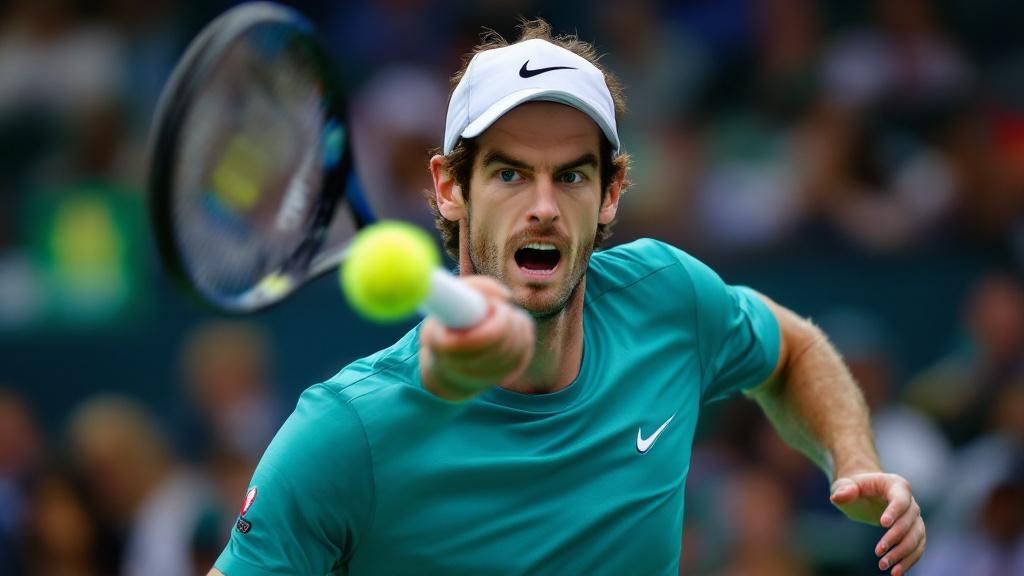
Andy Murray’s meticulously planned comeback to professional tennis has sent shockwaves through the British sports landscape, indicating a possible resurgence for the nation’s most accomplished player. Following his career-threatening hip surgery, Murray’s measured reintroduction to competition promises to reconfigure the state of British tennis, encouraging a new generation whilst reigniting hopes of additional major championship victories. This article investigates how his measured approach to tournament competition is influencing developmental programmes, nurturing young players, and establishing Britain as a powerful presence in world tennis.
The Comeback Champion
Andy Murray’s comeback to competitive tennis signifies considerably more than a singular success; it demonstrates perseverance and fortitude that reverberates through British sport. After facing a serious hip procedure that threatened his career, many wondered whether the three-time major winner would ever compete at the highest level again. His determination to make a comeback, however, displays steadfast dedication to his game and an indomitable spirit that has defined his competitive life. The sporting world watches with genuine intrigue as Murray confronts this critical juncture, proving that neither age nor injury must shape an athlete’s direction or performance goals.
The ramifications of Murray’s calculated reentry extend well beyond his solo achievements on court. His involvement with professional tournaments revitalises British tennis, providing a tangible example of perseverance to junior competitors dealing with their own difficulties. Moreover, his resurgence tale provides essential insights in psychological strength and bodily recovery, creating new standards for career longevity. As Murray returns to competition, he concurrently guides the emerging generation, forging a bridge between recognised achievement and rising prospects that strengthens the entire British tennis ecosystem.
Influence on British Tennis Growth
Murray’s re-entry into professional competition has sparked significant momentum within UK tennis development. His involvement in premier competitions enhances the tennis profile across Britain, attracting increased investment in youth development programmes and practice venues. The ripple effects extend beyond elite circles, inspiring community involvement and encouraging national organisations to focus on talent identification and support structures for emerging British players.
Mentorship and Direction
Beyond his on-court displays, Murray has taken on an increasingly prominent mentoring role within the British tennis community. His readiness to impart expertise acquired through performing at the elite standard provides essential support to younger players navigating their own professional paths. This casual mentoring impact enhances formal structures, delivering useful knowledge into tournament preparation, mental resilience, and handling career demands.
Murray’s availability to rising players represents a departure from traditional hierarchies in professional athletics. By collaborating with promising young players, he exhibits a commitment towards the collective progress of British tennis. His guidance stretches beyond technical instruction, covering career planning, sponsorship negotiations, and mental approaches crucial for achieving enduring success in international competition.
- Provides strategic guidance on event choice and scheduling
- Shares psychological strength techniques built over professional journey
- Facilitates connections to coaching and support staff networks
- Demonstrates workplace excellence through reliable dedication
- Encourages balanced approach between drive and personal wellbeing
Competitive Performance and Rankings
Murray’s re-entry into competitive tennis has shown impressive durability, with his statistical indicators revealing a competitor intent on regaining his standing among the sport’s top players. Despite the inherent physical rigours of professional competition, his ranking trajectory has steadily improved, reflecting both his skilled technique and psychological resilience. His victories against established competitors have sparked renewed debate about his ability to compete for Grand Slam honours, whilst at the same time offering important insights on his recovery progress and tournament fitness.
The strategic approach of Murray’s event choices has been crucial in overseeing his recuperation whilst preserving competitive sharpness. By thoughtfully juggling elite-level events with adequate recovery periods, he has optimised his performance trajectory without compromising long-term sustainability. His achievements have galvanised UK tennis fans and analysts alike, demonstrating that age and previous injury need not reduce a player’s competitive ambitions or accomplishments at the highest echelons of professional sport.
Future Prospects and Legacy
Andy Murray’s strategic return to competitive tennis has fundamentally altered perceptions of what represents a accomplished tennis trajectory. His careful strategy shows that longevity and purposeful competition can coexist physical challenges, offering meaningful guidance to ambitious sportspeople across the world. The wider consequences of his resurgence go further than private accomplishment; Murray’s presence on the circuit revitalises British tennis infrastructure, attracting investment and media attention previously directed elsewhere. His effect on the next generation illustrates how accumulated knowledge and perseverance transcend conventional career trajectories, setting fresh standards for sporting endurance.
Looking forward, Murray’s legacy will undoubtedly comprise more than tournament victories and ranking positions. His focus on nurturing up-and-coming British competitors has created a lasting foundation for the next generation of competitors pursuing global recognition. By combining competitive drive with developmental responsibilities, Murray has positioned himself as both active participant and custodian of British tennis’s future. This dual role bolsters the nation’s competitive foundation whilst ensuring his considerable expertise benefits the sport long after his final playing career, cementing his status as influential presence within British sporting history.
